
Replacing the Ctrl key press with the Command key also applies to most Ctrl key shortcuts in programs, such as Microsoft Office. The letters in keyboard shortcut combinations are always shown capitalized on-screen, but the Mac recognizes the lowercase versions as well. Thus, you can type either Command+Q or Command+q to quit (exit) the program. FWIW, BBS programs like MacTEP would often have an option to disable command-key menu-shortcuts, and let all command-keys (e.g. Cmd-C, cmd-X, etc.) be interpreted as ctrl-keys by the app. In any case, now that Apple keyboards have a control key, you can continue using ctrl-C. I find that I go back and forth between ctrl-C and command-period.
Switching from Windows to Mac has its jarring moments. Among the first things that will jolt you are the lack of a second mouse button on the Macbook touchpad and the Apple mice; and the fact that Ctrl-C does not copy anything in a Mac. (You probably found this blog entry looking for a way to do a right-click, right?)
So let me give the emergency relief to you and write other useful tips after.
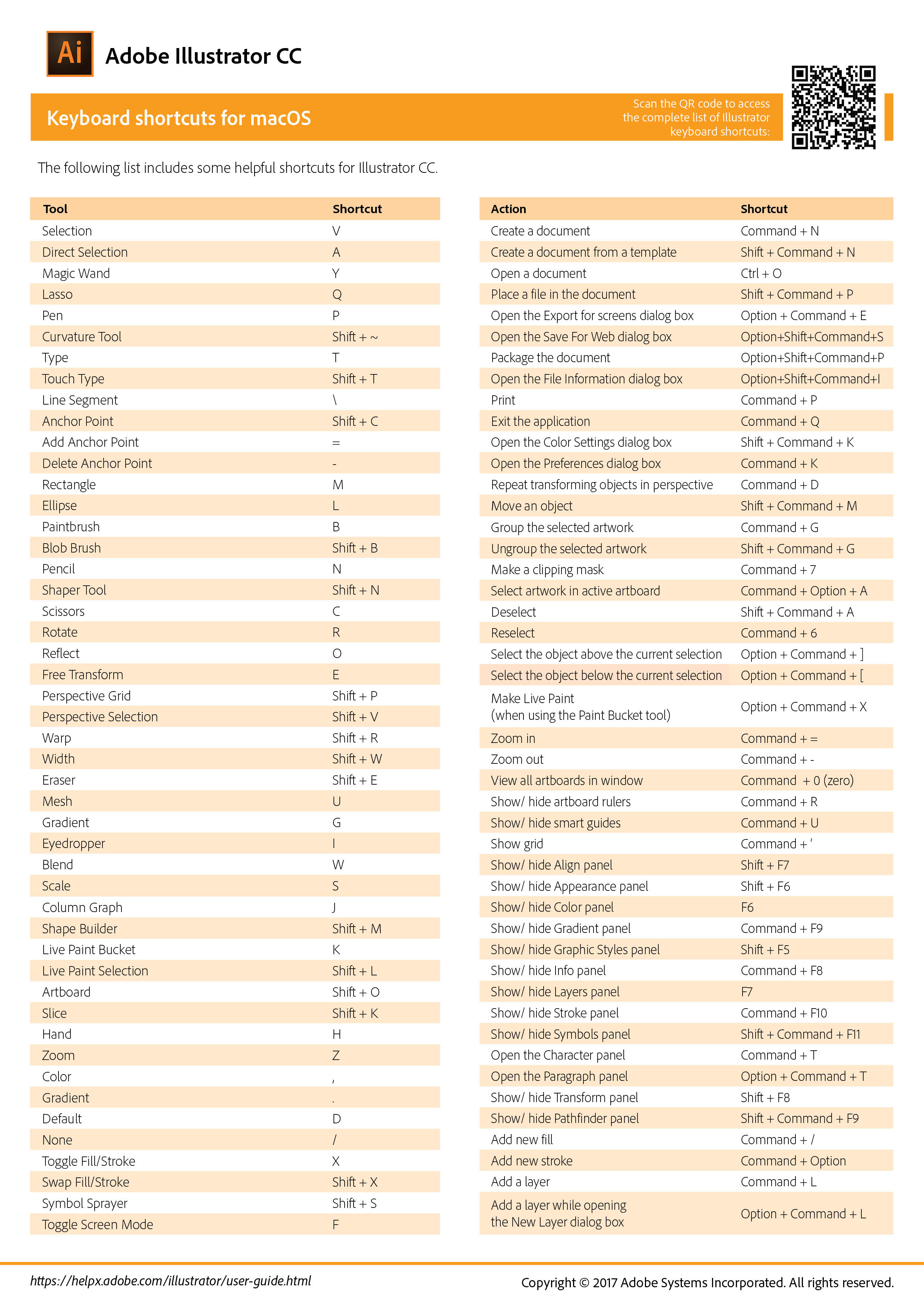
Ctrl C Mac
- To do a right-click: Press and hold down the ctrl key and then click the mouse or touchpad button.
- Alternately, you may also right-click using the multi-touch trackpad. First, position the pointer over the link or button you wish to right-click. Press the trackpad with your index finger. While holding the first finger down, tap another finger on the the track pad (try your middle finger). This will generate a right-click. BUT you need to activate this feature. Open System Preferences > Trackpad. In Trackpad Gestures, check the box for 'Tap trackpad using two fingers for secondary click.'
- The equivalent of a Ctrl-C in a Mac is Command-C (or Cmd-C for short). The command key, by the way, is that key with the Apple icon and the strange square with four outward loops (⌘).
- Bear in mind that most 'Ctrl' shortcuts on Windows can be substituted with the 'Cmd' key. Example, Ctrl-V in Windows (shortcut for paste) is Cmd-V in Mac.
Switching to a Mac requires some patience at the start. After all, some things you do in Windows are done differently in a Mac. And although at first you may get frustrated with this 'cultural change', you'll realize that tasks in Mac are actually simpler than in Windows. Plus Mac does not let you do some Windows commands simply to protect you from hurting yourself :). (More on this in future posts).
Coming up next:
Top 5 things you need to do after you've switched from Windows to Mac.
HELP FILE
Keyboard Mapping
Currently the following keys are considered equivalent. After effects animation software, free download.
| Mac | Windows |
|---|
| Option/Alt | Alt |
| Command (Apple) | Windows |
| Clear | Num Lock |
| Control | Ctrl |
Here is an example of a common keyboard activity:
Desired
Operation | Viewer Type (client) | Host
Type | Keyboard
Combination |
|---|
| Copy | Mac | Window | Control key + c |
| Copy | Windows | Mac | Windows key + c |
Right-Click from a Mac Client
To right-click an item on a host Windows PC from a Mac client, hold + and then click. You can also select the Set Right-click button in the Mac Viewer to set your next mouse click to be a PC right-click.
I have lived too long in the Windows world. But, without even thinking about it, I use ctrl C for copying and ctrl V for pasting. The keys are just the right distance apart to make this easy. On my Intel MacBook, I have to use the Apple key and either C or V to copy and paste. For me, those keys are too close together to make this fast and comfortable.
Also when I boot to Windows, I have to use one key combination and when I boot to Mac, I have to use a different combination.
Is there a way to re-map the keys for copy/pasting when running Leopard?
TIA,
Linda
Ctrl V Screenshot
Mac OS X (10.5.3)
Posted on




/image%2F6238406%2F20210214%2Fob_2e5db0_how-to-make-ppt-on-macbook-pro.jpeg)
/image%2F6238406%2F20210214%2Fob_119ab6_antivirus-untuk-macbook-pro.png)
/image%2F6238406%2F20210214%2Fob_2a9487_macbook-camera-light-on.jpeg)
/image%2F6238406%2F20210214%2Fob_04344c_how-to-erase-macbook-air.png)